Search page


4300 B St, Anchorage, Alaska 99503

The Eureka Space, 405 W 36th Ave 1st Floor, Anchorage, Alaska 99503
Message This Lawyer


310 K St, Anchorage, Alaska 99501


Sorry, no records were found. Please adjust your search criteria and try again.
Sorry, unable to load the Maps API.
Immigration law is governed federally, but Alaska's economy and geography create immigration needs unlike any other state. Commercial fishing — one of Alaska's largest industries — relies heavily on foreign national crew members working under H-2B visas and STCW maritime credentials, with seasonal cannery operations employing large numbers of temporary workers whose I-9 compliance and work authorization require careful management. Alaska's oil and gas sector employs international engineers and technicians, generating H-1B and TN visa demand. The state's proximity to Russia and its role as a destination for asylum seekers crossing international waters in the Pacific adds a dimension rarely seen in other states. Alaska Native tribal membership and US citizenship are legally distinct, and tribal members with ties to Canadian First Nations may face immigration questions that require attorneys versed in both federal immigration law and Alaska tribal sovereignty principles. Federal immigration proceedings for Alaska claimants are handled through the EOIR Immigration Court in Seattle, Washington — adding logistical and financial burdens for clients in remote communities. Naturalization, family-based petitions, and DACA renewals are active areas of need across Anchorage, Fairbanks, and rural Alaska. Find an Alaska immigration law attorney today.
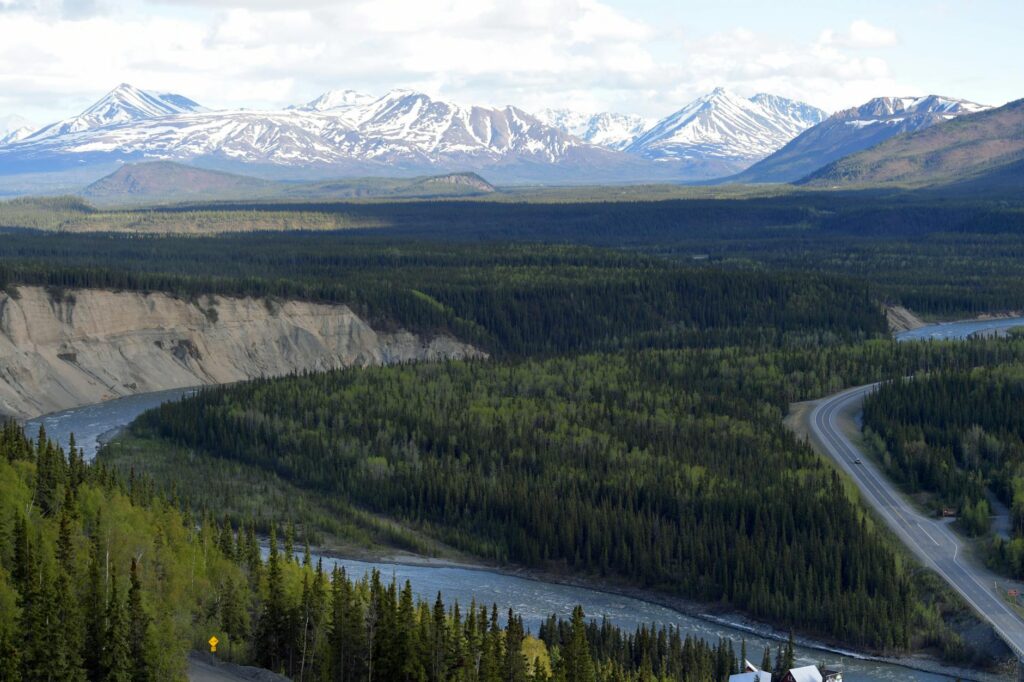
Alaska's commercial fishing industry relies heavily on H-2B and crew visa workers, and remote cannery operations create unique I-9 compliance challenges. EOIR immigration hearings for Alaska claimants are held in Seattle, adding logistical complexity.